Industry solution
Jewelry & Gift Packaging
Coordinate compact presentation packs, paper tubes, bags and optional clear components around the object and gifting moment.
Discuss my product ↗What your pack needs.
- Frame small products without losing fit or presentation control
- Coordinate the primary pack, message and carry packaging
- Plan seasonal variants without confusing the core structure

Start with this combination.
Build a carton or paper-tube presentation around the item, with a retention insert, gift card and carry bag. Choose clear details only where they improve visibility.
- Paper boxes
- Paper tubes
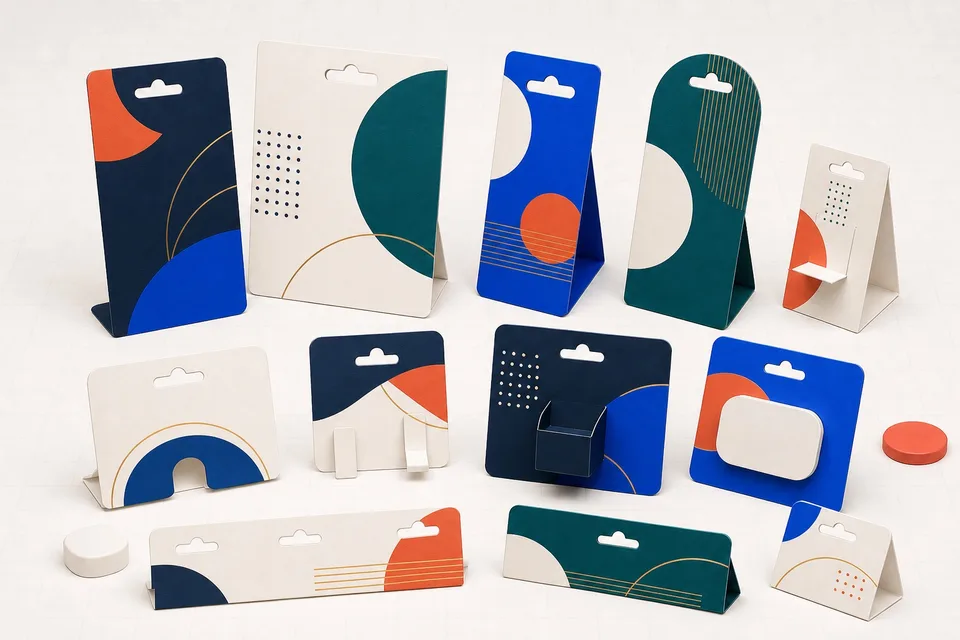
- Product cards
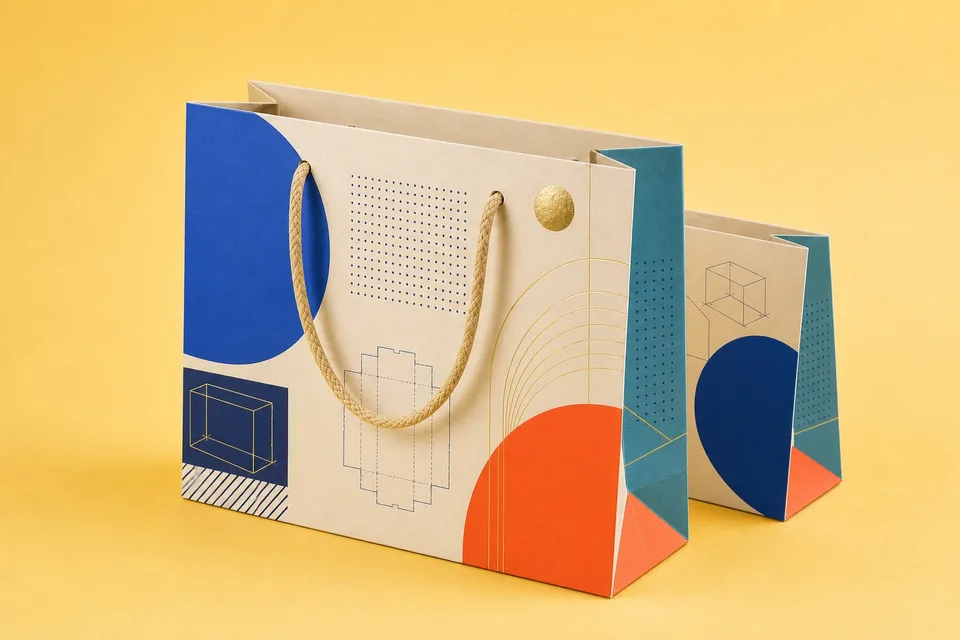
- Paper bags
Make the object the starting point
Jewelry and gift items may be small, but their shape, surface and presentation can require careful fit. Share the actual object dimensions, weight and any areas that should not rub against the packaging. If an insert or retention method is needed, include it in the first structure discussion.
Paper boxes and paper tubes create different presentation formats. Paper bags can connect the primary pack to the handover experience. Briefing them together helps align scale, graphics and finish without assuming that every component uses the same production route.
Separate the permanent system from the occasion
Gift packaging often needs event, seasonal or collaboration artwork. Identify which structural elements should remain stable and which graphics will change. A clear SKU and version map reduces confusion when several similar designs move into sampling or production.
Use material contrast deliberately
Offset printing, screen printing, hot foil and lamination can be reviewed for paper formats. A clear sleeve or component can add product visibility or contrast. Transparent plastic-sheet packaging is developed with material, thickness, print, crease and gluing reviewed for the project.
Define the approval moment
Color, foil, surface finish, fit and opening sequence may require different evidence. The sampling plan should state what is being approved and which details remain subject to the final production method. Cost and timing are confirmed only after that scope is understood.